Many homeowners ask, “Can you paint vinyl siding on a house?” and the answer is absolutely yes—with the right approach. Missouri homeowners need to know about refreshing their home’s exterior with vinyl-safe paint. From selecting the right materials to understanding proper preparation techniques, we’ll walk you through the entire process of achieving a quality paint job that withstands Missouri’s varied climate. Whether you’re looking to update your home’s appearance, extend the life of your existing siding, or save money compared to replacement, this guide provides expert insights from the Wright Construction & Roofing Company on how to successfully paint vinyl siding with professional results.
Essential Requirements for Paint Vinyl Siding Success
- Use vinyl-safe paint containing urethane resins designed to adhere to vinyl and resist weather elements
- Select colors with a Light Reflective Value (LRV) of 55+ to prevent heat absorption and warping
- Clean thoroughly to remove dirt and grime, providing proper paint adhesion
- Assess siding condition, replacing any cracked or damaged sections before painting
- The Wright Construction & Roofing Company offers free estimates for those who need vinyl siding installation
Best Paint for Vinyl Siding: What Missouri Homeowners Need to Know
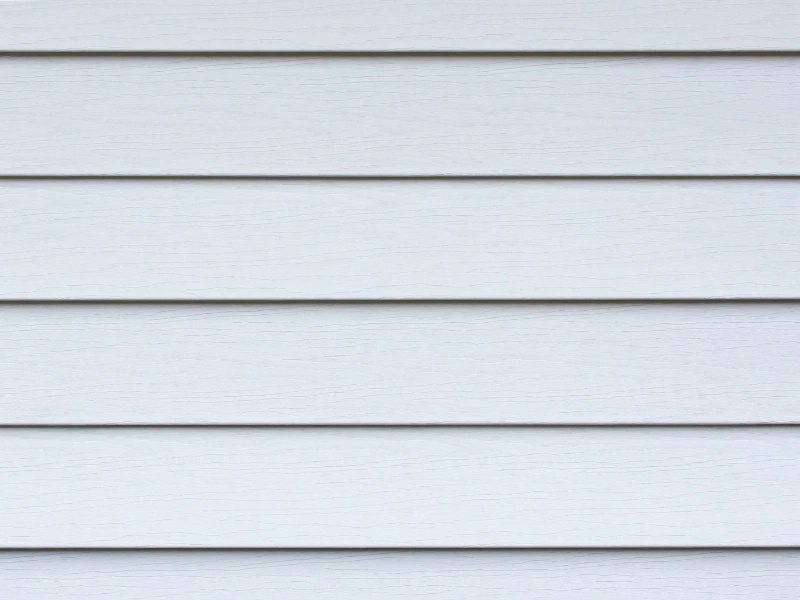
Yes! You can paint vinyl siding. Clearly, painting your vinyl siding is less expensive than replacing it. Here are some tips:
Select vinyl-safe paint for your Missouri home:
- Acrylic and urethane-modified latex paints for flexibility
- Lighter colors with an LRV of 55+ to prevent warping
- Satin or semi-gloss finish for dirt resistance
- Self-priming formulas for better adhesion
- Quality brands like Benjamin Moore with vinyl-safe options
Choosing the Right Paint Color for Your Home’s Exterior
Selecting the perfect color for your vinyl siding balances aesthetics with technical requirements:
- Soft neutrals like beige and gray that reflect heat
- Light blues and greens for natural surroundings
- Classic whites for timeless appeal
- Warm earth tones that complement brick and stone
- Colors with proper LRV ratings (55+)
- Shades that harmonize with your roof
Consider HOA restrictions and climate factors. The right color enhances curb appeal while guaranteeing longevity.
The Complete Painting Process: Step-by-Step Guide
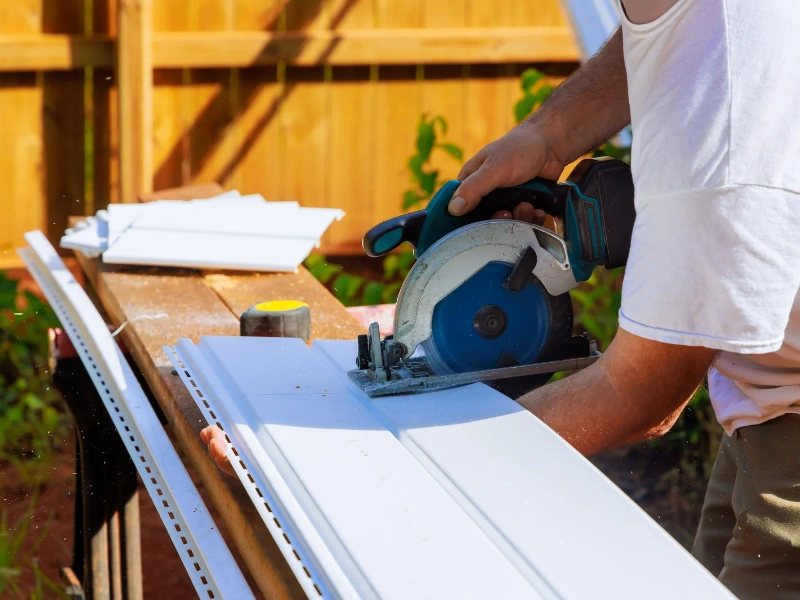
Painting vinyl siding is a methodical process that requires attention to detail. Here’s our professional approach:
- Inspection and Assessment: We thoroughly evaluate your siding’s condition to determine if painting is appropriate or if replacement would be better.
- Cleaning and Preparation: Clean thoroughly before priming or painting. Use a soft-bristled brush, garden hose, or pressure washer (with caution). Vinyl-safe cleaning solutions from home improvement stores work well and often attach directly to garden hoses.
- Weather Planning: Check the forecast before starting. Ideal conditions include mild temperatures (50-70°F), low humidity, and overcast skies. Avoid painting in direct sun, high winds, or when rain is expected within 24 hours.
- Priming (If Necessary): A coat of primer is applied to prepare the siding for paint and secure proper adhesion.
- Paint Application: The topcoat of exterior paint is then applied using a high-quality brush and roller, working in small sections from one side to another. After the first coat has dried, touch-ups are made where necessary before applying a second coat.
- Final Inspection: Once complete, we conduct a thorough inspection to guarantee even coverage and proper adhesion.
Surface Preparation and Maintenance Tips
Proper preparation and ongoing maintenance are important for long-lasting results when painting vinyl siding in Missouri’s variable climate. Following these essential steps will make sure your paint job remains attractive and protective for years:
- Use a simple mixture of water and mild detergent for cleaning
- Choose moderate weather between 50 and 70°F, typically in early spring or fall
- Remove all dirt and grime to prevent peeling and adhesion issues
- Consider a vinegar solution (70% water/30% vinegar) or oxygen bleach for cleaning
- Inspect regularly for peeling, especially after severe weather
- Address maintenance issues promptly with proper surface prep and quality materials
Regular attention to these preparations and maintenance details will significantly extend your painted vinyl siding’s lifespan and appearance.
Cost Comparison: Painting vs. New Siding Installation
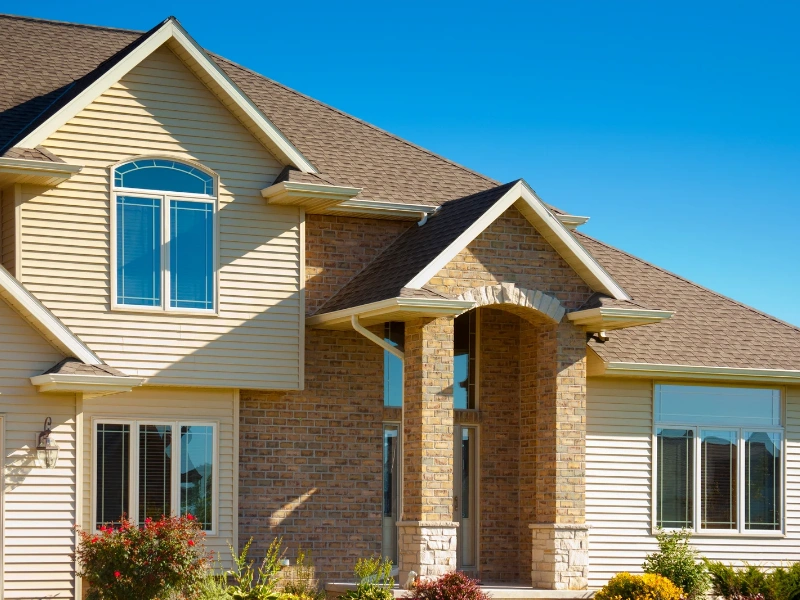
Understanding the financial implications of painting versus replacing vinyl siding is important for Missouri homeowners making this important decision. Here’s a clear breakdown of the cost factors to consider for your home.
- Painting costs approximately $3,180 versus $11,520 for complete siding replacement
- HomeAdvisor reports painting costs $1,687-$3,907, while new vinyl siding runs $5,000-$14,050
- New siding requires virtually no maintenance for 30+ years, with 76% cost recoupment at resale
- Painted siding needs refreshing every five years, making long-term costs comparable for 15+ years homeownership
- Missouri’s extreme seasonal temperature variations affect maintenance schedules and durability
- DIY painting reduces immediate costs, as vinyl siding requires either a paint sprayer or a paintbrush and roller, but may compromise long-term performance.
Our experienced team can help evaluate which option provides the best value for your specific situation and budget considerations.
Signs You Need New Siding Instead of Paint
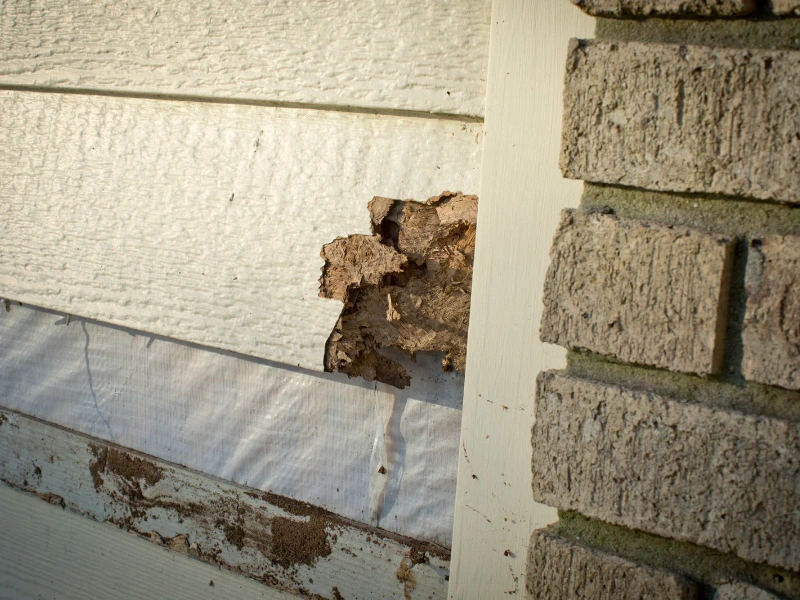
While painting vinyl siding can refresh your home’s appearance, certain conditions indicate replacement is the better investment. Recognizing these warning signs helps you make the right decision for your Missouri home’s long-term value and protection.
- Structural damage, including cracks, holes, or warping that paint cannot repair
- Excessive buckling from age or extreme weather exposure
- End of life cycle (typical vinyl siding lasts 15-40 years, averaging 30 years)
- Energy efficiency concerns that newer insulated siding options can address
- Desire for significantly darker colors that would cause heat-related warping
- Extensive mold, mildew, or water damage behind existing panels
- Multiple previous paint layers affecting surface texture and appearance
Professional Vinyl Siding Services in Missouri
The Wright Construction & Roofing Company offers expert vinyl siding services across Missouri.
- Free consultations and estimates
- Expert color and material recommendations
- Professional application with quality materials
- Guaranteed workmanship and clear communication
Contact us:
- Roofing- Dennis Wright: +1 (573) 692-5534
- Construction – Derik Sweeney: (314) 799-7235
- Or visit our contact form to transform your home’s exterior today.
Frequently Asked Questions About Painting Vinyl Siding
Is painting vinyl siding a good idea?
Painting vinyl siding is a great option when it’s structurally sound but faded. A fresh coat acts like sunscreen for your home, adding 5–10 years of protection against UV rays, rain, and wind. Using the right paint and proper preparation is essential for lasting results.
What kind of paint do you use on vinyl siding?
Yes, vinyl siding can be painted, but proper preparation is essential. Use 100% acrylic latex paint for its adhesion, flexibility, and durability. For Missouri homes, high-quality acrylic latex with UV protection is recommended to withstand the intense summer sun, though the lifespan will vary based on climate, sun exposure, and maintenance.
How long will my vinyl siding last if I paint it?
Most unpainted vinyl siding lasts 20 years. Accordingly, paint can extend your vinyl siding’s life by 5-15 years. The longevity of painted vinyl siding in Missouri depends on several factors, including paint quality, preparation work, application method, and local weather conditions.
Is it cheaper to paint vinyl siding or replace it?
One of the biggest factors in the decision to paint or replace siding is cost. Painting is cheaper upfront, but if you need to repaint every 5-7 years, those costs add up. Replacing your siding is a bigger investment, but modern vinyl options last 20-30 years with minimal upkeep.