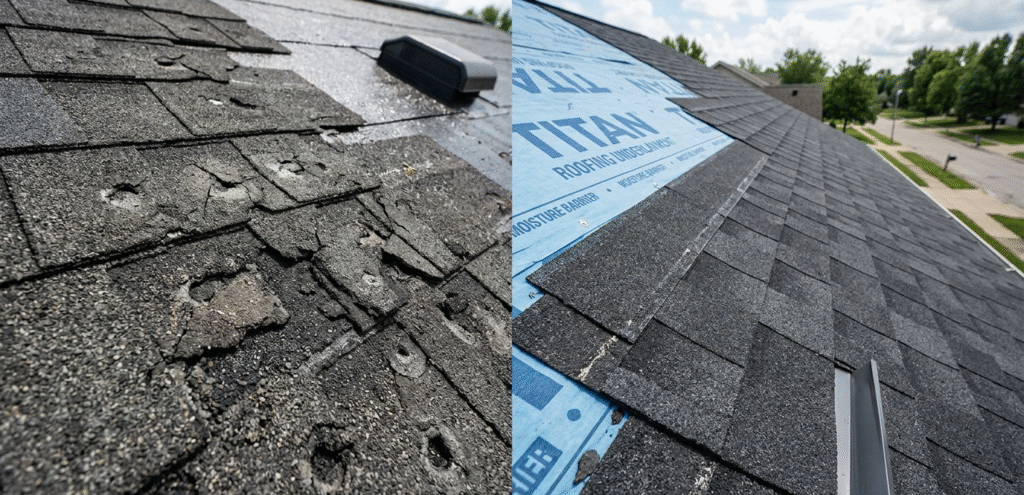
Most homeowners rarely think about their roof until something suddenly goes wrong. A ceiling stain after a storm, missing shingles after heavy winds, or signs of water damage can quickly turn roofing into an urgent concern. In Missouri, where homes face intense summer heat, hailstorms, freezing winters, and heavy rain, understanding the basics of residential roofing becomes more important than many homeowners realize. That is one reason homeowners often begin researching Missouri roofing companies when problems first appear.
At The Wright Construction & Roofing Company, we’ve worked with many homeowners who felt overwhelmed trying to understand roofing systems, materials, inspections, and repair recommendations. Residential roofing may seem technical at first, but understanding how a roof works helps homeowners make more confident decisions about repairs, maintenance, and long-term protection for their homes.
What Are The Basics Of Roofing?
Residential roofing refers to the full system installed on a home to protect it from weather, moisture, structural damage, and temperature changes. Many homeowners think roofing simply means shingles, but a complete roof system includes multiple components working together. These include the roof deck, underlayment, flashing, ventilation systems, drainage systems, and exterior roofing material. Missouri roofing companies often explain that when one part of the roofing system fails, it can affect the entire structure over time.
At The Wright Construction & Roofing Company, we often compare roofing systems to the human body. The shingles may be the visible outer layer, but beneath them are several critical components that support the roof’s overall health and performance. Ventilation regulates attic temperature and moisture levels, flashing protects vulnerable areas around vents and chimneys, and underlayment provides an extra barrier against water intrusion beneath shingles or roofing panels.
Many Missouri roofing companies emphasize the importance of understanding how roofing systems respond to local weather conditions. Missouri roofs regularly experience hail, strong winds, humidity, heavy rainfall, and major seasonal temperature changes. These conditions place constant stress on roofing materials throughout the year. According to the National Roofing Contractors Association, regular roof inspections and maintenance can significantly extend roof lifespan and help prevent costly structural damage.
One common misconception among homeowners is that roofs either work perfectly or fail suddenly overnight. In reality, roofing problems often develop gradually over time. Small leaks, damaged flashing, or poor attic ventilation may quietly cause damage for months before visible signs appear inside the home. Missouri roofing companies frequently discover hidden moisture damage beneath roofs that still look relatively normal from the ground.
Routine inspections become especially important after Missouri storm seasons. One homeowner ignored several missing shingles because the roof still looked acceptable from a distance. By the time ceiling stains appeared indoors, moisture had already spread beneath portions of the decking and insulation. Early detection often saves homeowners substantial repair costs later.
What Is A Residential Roof?
A residential roof is the protective structure installed over a home to shield it from weather exposure while supporting indoor comfort and structural stability. Most residential roofs consist of multiple layers and components designed to work together as a single system. Missouri roofing companies often explain that homeowners should think of a roof as more than simply the visible shingles covering the home.
Most homes in the United States use sloped roofing systems because they allow rainwater, debris, and snow to drain away more effectively. Beneath the visible roofing material sits the roof framing, usually built from wood trusses or rafters. On top of the framing rests the roof decking, followed by underlayment, flashing systems, ventilation components, and finally the exterior roofing material itself.
The roofing material homeowners choose depends on several important factors:
- Budget considerations
- Missouri weather exposure
- Desired lifespan
- Maintenance expectations
- Architectural appearance
- Energy efficiency goals
Missouri roofing companies frequently recommend asphalt shingles because they strike a reasonable balance between affordability and durability. However, metal roofing, synthetic roofing, tile, and wood-shake systems have become increasingly popular among homeowners seeking longer lifespans or greater weather resistance.
At The Wright Construction & Roofing Company, we remind homeowners that a roof affects much more than exterior appearance alone. Roofing performance directly influences indoor comfort, attic ventilation, moisture control, utility costs, and long-term property value. If a roofing system is not functioning properly, the rest of the house has to work harder to compensate.
Ventilation is one area homeowners often overlook completely. Without proper airflow, attic heat and humidity become trapped beneath the roof, potentially damaging insulation, framing, and shingles over time. Missouri roofing companies regularly find ventilation issues contributing to premature roof aging and hidden moisture problems during inspections.
What Causes Shingles To Fail?
Shingles fail for several different reasons, although weather exposure remains one of the biggest contributing factors in Missouri. Roofing materials are constantly exposed to sunlight, rain, hail, temperature changes, wind, and moisture throughout the year. Over time, these conditions gradually weaken roofing systems. Missouri roofing companies often explain that shingle damage rarely appears all at once. Instead, deterioration slowly develops over many years.
One of the most common causes of shingle failure is simple aging. Asphalt shingles naturally lose protective granules over time while becoming more brittle and vulnerable to cracking or curling. Once shingles weaken, water can more easily penetrate the roof system. Missouri roofing companies frequently identify aging shingles during inspections long before homeowners notice visible interior leaks.
Storm damage also plays a major role in shingle deterioration. Missouri homeowners regularly experience hailstorms, strong winds, and heavy rain that significantly stress roofing systems. Wind may lift shingles loose while hail impacts weaken the material, even if obvious damage is not immediately visible from the ground. One homeowner initially believed only a few shingles had been damaged after a storm. Later inspection revealed broader hidden deterioration affecting multiple roof sections.
Several additional factors contribute to premature shingle failure:
- Poor attic ventilation
- Improper installation
- Low-quality roofing materials
- Moisture buildup
- Tree branch damage
- Flashing failure
Poor ventilation is especially damaging because trapped attic heat can accelerate shingle deterioration from underneath during Missouri summers. Missouri roofing companies often discover excessive attic heat, causing shingles to age much faster than expected.
Installation quality also matters tremendously. Even premium roofing materials may fail prematurely if nails are placed incorrectly, flashing is installed poorly, or underlayment is missing. That is why experienced Missouri roofing companies recommend focusing on installation quality rather than choosing contractors solely based on the lowest estimate.
What Are The 5 Functional Requirements Of A Roof?
Every residential roof must meet five core functional requirements to protect the home effectively. Missouri roofing companies frequently educate homeowners about these functions because understanding them helps clarify why certain repairs or upgrades may become necessary over time.
The first requirement is weather protection. A roof’s primary responsibility is shielding the home from rain, hail, snow, sunlight, wind, and changing temperatures. If moisture penetrates the roofing system, structural damage can develop quickly beneath the surface.
The second requirement is drainage. Roofing systems must direct water away from the structure efficiently through slope design, flashing, gutters, and drainage pathways. Poor drainage often leads to standing water, leaks, and premature deterioration. Missouri roofing companies frequently identify drainage issues during inspections after severe storms.
The third requirement is structural support. Roofs must withstand wind uplift, debris impact, seasonal weather changes, and snow loads safely over time. Strong framing and durable materials help roofs maintain structural integrity under stress.
The remaining two functional requirements include:
- Energy efficiency and insulation support
- Ventilation and moisture control
Proper roofing systems help regulate indoor temperatures, support attic airflow, and reduce moisture buildup. Without adequate ventilation, trapped humidity may contribute to mold growth, insulation damage, wood rot, and shortened roof lifespan. Missouri roofing companies often explain that ventilation problems quietly affect roofing systems long before homeowners recognize visible symptoms.
At The Wright Construction & Roofing Company, we compare roofing systems to layered outdoor protective gear during severe weather. Every component serves a purpose, and if one layer weakens, the entire system becomes more vulnerable. Understanding these five functional requirements helps homeowners make smarter long-term roofing decisions. For more details on this topic, see Do You Need a Permit to Do Roofing? What Homeowners Should Know.
What Are The Top 5 Roofing Materials?
Homeowners today have more roofing material choices than ever before. Each option offers different advantages involving durability, appearance, maintenance, and long-term value. Missouri roofing companies often help homeowners compare materials based on local weather conditions and ownership goals before selecting a roofing system.
Asphalt shingles remain the most common roofing material because they are affordable and relatively easy to install. Many homeowners choose shingles because they provide reasonable durability at a lower upfront cost. However, asphalt shingles generally have a shorter lifespan compared to several premium roofing alternatives.
Metal roofing has become increasingly popular among homeowners researching Missouri roofing companies because it offers excellent durability, energy efficiency, and weather resistance. Properly installed metal roofs may last decades longer than traditional shingles while better handling Missouri storms.
Other popular roofing materials include:
- Clay and concrete tiles
- Wood shakes and shingles
- Synthetic roofing products
Clay and concrete tiles offer exceptional longevity and visual appeal but are heavier and more expensive than asphalt shingles. Wood shakes create a natural rustic appearance but require more maintenance in humid climates. Synthetic roofing materials are becoming more common because they mimic slate, tile, or wood while offering lighter weight and lower maintenance demands.
At The Wright Construction & Roofing Company, we encourage homeowners to evaluate roofing materials based on long-term value rather than appearance alone. Budget matters, but so do maintenance expectations, weather durability, energy efficiency, and ownership plans. Missouri roofing companies often recommend different materials depending on whether homeowners prioritize affordability, longevity, or curb appeal.
One homeowner preparing to stay in their home long-term chose metal roofing despite the higher upfront investment because they wanted fewer future repairs and better storm resistance. Another homeowner planning to sell within several years prioritized curb appeal and affordability instead. The best roofing material ultimately depends on each homeowner’s goals and circumstances.
Why Roofing Education Matters For Homeowners
Many homeowners feel overwhelmed when roofing problems first appear because they are unfamiliar with the terminology, materials, and repair recommendations involved. Missouri roofing companies regularly meet homeowners who are unsure how to compare estimates, evaluate materials, or identify trustworthy contractors. That uncertainty often leads to delayed decisions or unnecessary stress during already difficult situations.
At The Wright Construction & Roofing Company, we believe homeowner education matters because informed homeowners make better long-term decisions. Understanding roofing basics helps homeowners recognize warning signs earlier, ask better questions during inspections, and feel more confident comparing replacement options.
Roofing knowledge also helps homeowners avoid costly delays. Small issues like loose flashing or minor leaks may seem harmless initially, but they often become larger structural problems when ignored for too long. Missouri roofing companies frequently discover hidden damage during inspections that could have been repaired much earlier at a much lower cost.
Homeowners also benefit from understanding how roofing systems affect energy efficiency, indoor comfort, insurance claims, and resale value. A roof is not simply an exterior feature. It directly affects many aspects of daily life at home. Learning the basics allows homeowners to protect one of their most important investments more effectively over time.
Final Thoughts
Residential roofing can feel confusing at first, but understanding the basics helps homeowners make smarter, more confident decisions when problems arise. From learning how shingles fail to understanding ventilation and drainage systems, homeowners who educate themselves early are often better prepared to avoid expensive surprises later.
At The Wright Construction & Roofing Company, we believe homeowners deserve clear information, honest guidance, and roofing solutions designed around their long-term needs. Whether you are planning a future roof replacement, evaluating storm damage, or simply learning more about how your home works, understanding residential roofing helps protect both your property and your peace of mind.
If you are comparing Missouri roofing companies or exploring roofing solutions designed for Missouri homes, visit https://wrightroofingconstruction.com/ to learn more about The Wright Construction & Roofing Company. Contact us today to schedule a professional roof inspection or discuss long-term roofing options for your home.
Follow our social media pages below: